
Breastmilk is known for its variety of colors, and many factors can influence its appearance. While breastmilk is typically expected to be white or creamy, it can range in color, and most variations are completely normal. Here’s a guide to the different colors of breastmilk and what they might mean for your breastmilk supply.
Is Breastmilk Always White?
No, breastmilk is not always white, and it can appear in a variety of colors depending on several factors, including the timing of a feeding, your diet, and even how the milk is stored. While white or creamy milk is most common, variations in color are usually harmless and can offer insights into your diet, milk composition, and even your baby’s health.
Clear or Bluish Milk (Foremilk vs. Hindmilk)
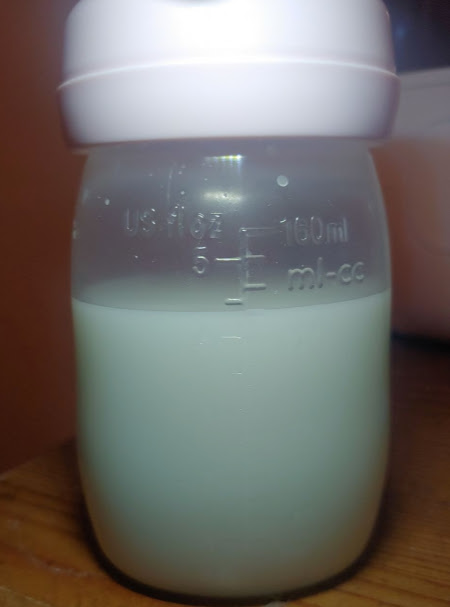
Sometimes, breastmilk can appear clear or bluish, especially at the start of a feeding. This is often referred to as “foremilk.” Foremilk is lower in fat and more watery, as it’s the milk that’s immediately available to your baby. As you continue feeding, the milk gradually becomes richer and creamier—this is called “hindmilk,” which is higher in fat.
It’s important to note that the breast only produces one type of milk, and the difference in color between foremilk and hindmilk is due to varying fat content being pulled from the alveoli during the feeding. If your milk looks clear or bluish, it’s generally nothing to worry about and is a normal part of your milk supply.
Yellow or Golden Milk
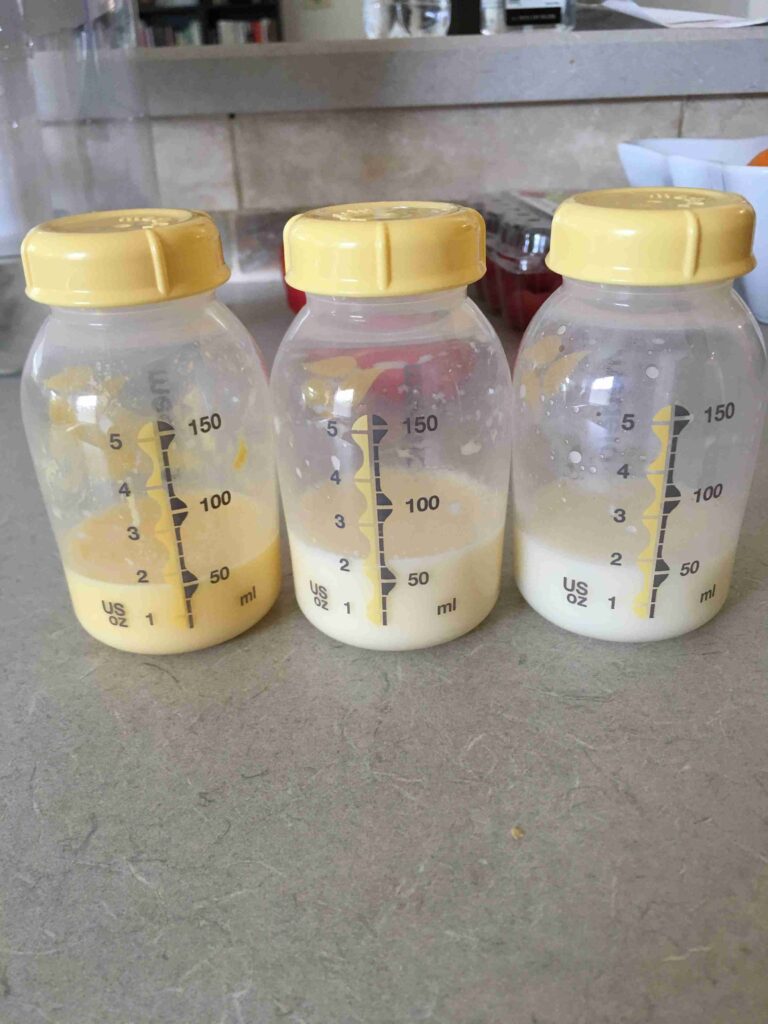
Yellow breastmilk is common in the early days after birth and is often referred to as colostrum. Colostrum is the first milk produced, and it’s packed with nutrients and antibodies to support your newborn’s immune system.
Milk can also take on a yellow or golden hue if you consume a diet rich in yellow or orange foods, such as carrots, sweet potatoes, or squash. Freezing your breastmilk can also cause it to develop a yellow tint, which is entirely normal.
Green Milk
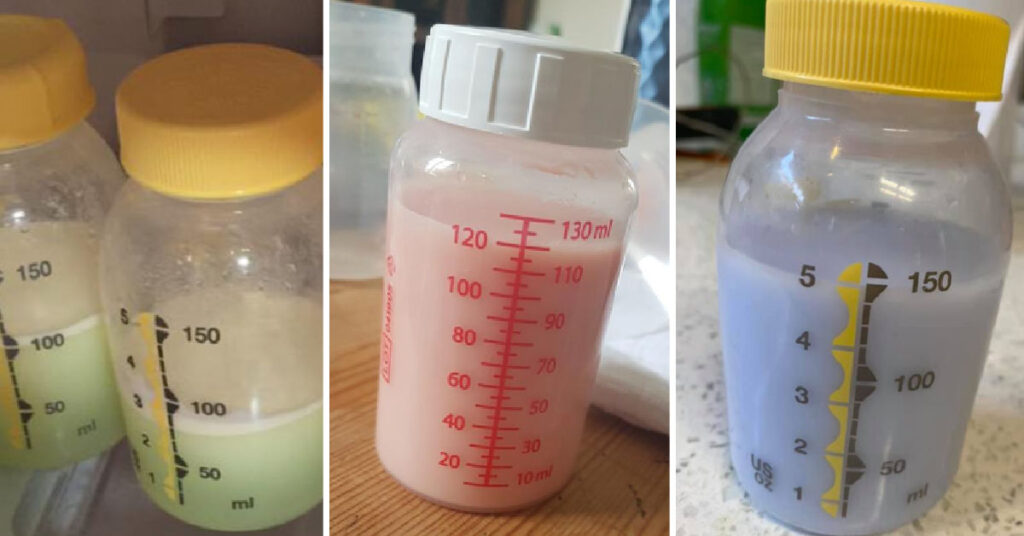
If your breastmilk has a greenish tint, it’s most often due to the foods you’ve been eating. Leafy greens, such as spinach or kale, can cause milk to appear green. This is a harmless change and is simply a reflection of your diet.
However, if you notice a sticky, greenish discharge that doesn’t seem to be typical breastmilk, it may be a sign of an infection, such as mastitis. If you’re concerned, it’s a good idea to consult with a healthcare provider to rule out any potential issues.
Pink, Red, or Rust-Colored Milk
Pink, red, or rust-colored milk is typically due to the presence of blood in your milk. This can happen if you have nipple damage, such as cracks or bleeding, often caused by improper latch or incorrect pump flange size. It’s usually safe to give your baby this milk, but it can be alarming to see.
If you experience blood in your milk, check your pump flanges for the correct size (most pump manufacturers, like Medela and Spectra, offer size guides), and seek support from a lactation consultant if your nipples are cracked or bleeding.

Brown or Black Milk
Occasionally, breastmilk can appear dark brown or black, which is also likely due to blood in your milk. Like pink or red milk, it’s generally safe for your baby. Dark milk can also be influenced by certain foods or medications. If you’re concerned, especially about the impact of any medications on breastfeeding, consult with a healthcare professional to ensure they’re safe for both you and your baby.

What Color of Breastmilk is Normal?
While breastmilk is typically white or creamy, any of the colors mentioned above can be completely normal and are usually not cause for concern. The most important thing is to maintain a regular breastfeeding or pumping routine to ensure a healthy breastmilk supply. If you notice any unusual or persistent changes in the color of your milk that concern you, it’s always a good idea to consult a lactation consultant or your healthcare provider to address any potential issues.

Very good https://shorturl.at/2breu
Very good https://shorturl.at/2breu